The Snowbird’s Guide to Renting in Lake Chapala: What You Need to Know Before November
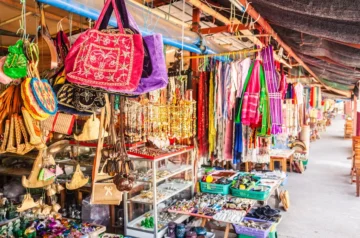
Every October, something happens in the villages along Lake Chapala. The Canadian licence plates start appearing. The English at the Saturday market shifts from scattered to dominant. The coffee shops fill up with people who look suspiciously relieved to be wearing shorts.
Snowbird season is here. And if you’re reading this, you’re probably thinking about joining them.
Lake Chapala — specifically the village of Ajijic and the surrounding lakeside communities — is one of the most established Canadian and American retiree destinations in Mexico. It’s not a beach town. It’s not a party destination. It’s a quiet, mountain-ringed lake community at 1,500 metres elevation with year-round spring-like weather, a massive English-speaking expat population, and a cost of living that makes Canadian retirees do a double-take.
Start planning now, not in September — the best rentals go early.
This post contains affiliate links. We may earn a commission at no extra cost to you.
Why Lake Chapala?
Before we get into the rental details, here’s why this particular stretch of Mexico attracts retirees instead of backpackers:
- The climate. Average highs of 24-28°C year-round. No oppressive heat, no humidity, no hurricanes. Locals call it “the land of eternal spring.” You’ll want a light sweater in the evening from November to February. That’s it.
- The elevation. At 1,500 metres, Lake Chapala doesn’t feel like tropical Mexico. It feels like a warm autumn day in Ontario — every day. No mosquito swarms, no sweltering nights, no air conditioning needed.
- The community. An estimated 15,000-20,000 foreign residents live in the lakeside area, with Canadians making up a significant portion. There are Canadian-run volunteer organizations, book clubs, bridge groups, art classes, hiking clubs, and community suppers. You will not be lonely here.
- The healthcare. Guadalajara — Mexico’s second-largest city with world-class private hospitals — is 45 minutes away. The lakeside area itself has clinics and pharmacies that serve the expat community. Many doctors speak English. A private doctor visit runs $30-50 CAD.
- The proximity. Guadalajara International Airport has direct flights from Toronto (seasonal) and connections through Mexico City from everywhere in Canada. You’re 4-5 hours from your front door in Canada to the lakeside. Compare that with 20+ hours to Thailand.
- The price. A comfortable snowbird life here costs $1,500-2,200 CAD/month — less than the rent alone on a one-bedroom in Toronto.
The Lakeside Communities: Where to Rent
The “Lake Chapala area” is actually a string of small towns along the north shore of Mexico’s largest freshwater lake. Each has its own character. Here’s what matters for a snowbird picking a base.
Ajijic — The Expat Capital ($800-1,400 CAD/month)
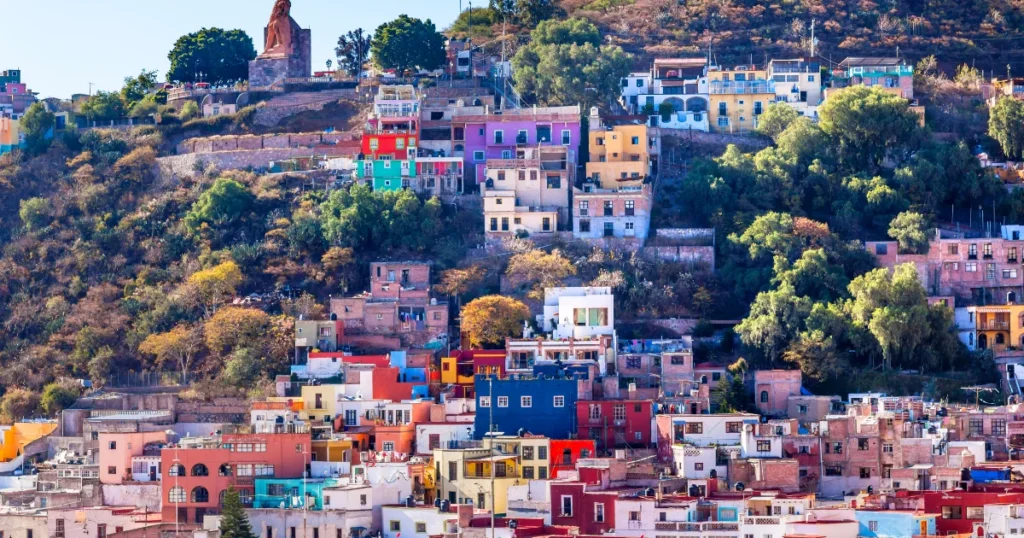
This is where most Canadians land, and for good reason. Ajijic (pronounced ah-hee-HEEK) is a village of cobblestone streets, colourful buildings, art galleries, and a walkable centro with everything you need within a 10-minute stroll. The expat infrastructure is fully built out — English-speaking doctors, real estate agents, restaurants with menus in both languages, and a social scene that runs from morning yoga to evening concerts.
Rent: A furnished one-bedroom in Ajijic centro runs $800-1,200 CAD/month in high season (November-April). Nicer properties with lake views, gardens, or pools push to $1,200-1,800. Summer rates drop 20-30%.
Best for: First-time snowbirds who want maximum community and convenience. If you’re arriving alone and want to make friends fast, Ajijic is the answer. The Lake Chapala Society — a community hub with a library, classes, events, and volunteer opportunities — is the unofficial town square.
Worth knowing: In high season, Ajijic can feel more expat than Mexican in the centro. The village was a Mexican community long before the first snowbird arrived, and it still is — the families, the tiendas, the church, the fiestas are all there if you look beyond the English menus. The best version of living here is participating in the full community, not just the expat layer on top of it. Shop at the local market, not just the expat grocery. Learn your neighbours’ names. Go to the town fiestas. You’re a guest in their home, and the welcome is genuine — meet it halfway.
San Antonio Tlayacapan — The Quieter Neighbour ($700-1,100 CAD)
Immediately west of Ajijic and practically a continuation of it. Slightly quieter, slightly less touristed, and generally 10-20% cheaper. Same walkable scale, similar expat presence, but with a bit more breathing room. Many long-term snowbirds settle here after a first year in Ajijic proper.
Best for: Snowbirds who want the Ajijic lifestyle without the Ajijic prices or peak-season crowds.
Chapala Town — The Working Mexican Town ($600-900 CAD)
Chapala is a real Mexican town that happens to be on the lake. More locals, fewer expats, lower prices. The malecón (lakeside boardwalk) is pleasant, the market is authentic, and you’ll practice your Spanish daily by necessity. Less English-speaking infrastructure, but the bus to Ajijic takes 15 minutes.
Best for: Snowbirds on a tighter budget who want a more authentically Mexican experience and don’t mind less English around them.
West of Ajijic (San Juan Cosalá, Jocotepec) — Off the Beaten Path ($500-800 CAD)
Smaller villages further from the expat centre. Hot springs at San Juan Cosalá. More rural. Significantly cheaper. Very few English services. You’ll need some Spanish and ideally a car. But if quiet and affordable is the priority, these villages deliver.
Best for: Return snowbirds who know the area, speak some Spanish, and want maximum value.
What $1,500 CAD/Month Looks Like Here
| Expense | Budget (CAD/mo) | Comfortable (CAD/mo) |
|---|---|---|
| Furnished 1BR rental | $600-800 | $900-1,400 |
| Food (groceries + dining) | $250-350 | $400-600 |
| Utilities (electric, water, gas, internet) | $50-90 | $80-130 |
| Transportation (bus + occasional taxi) | $20-40 | $40-80 |
| Phone (prepaid SIM) | $10-20 | $15-25 |
| Health insurance | $80-150 | $150-250 |
| Social / entertainment | $60-120 | $150-300 |
| Total | $1,070-1,570 | $1,735-2,785 |
A retired Canadian couple on combined CPP and OAS of $2,800-3,500/month can live comfortably here with money left over. Read that sentence again. For many Canadian retirees, this is the calculation that changes everything.
The Snowbird Calendar: When to Do What
Timing matters more than most people realize. The lakeside rental market runs on a predictable annual cycle, and knowing it gives you better choices and better prices.
| When | What to Do |
|---|---|
| June-July | Start browsing. Facebook groups (“Ajijic Rentals,” “Lake Chapala Rentals”) and local property management websites post summer and fall listings. Returning snowbirds have already re-signed; what’s left is what’s available. |
| August | Narrow your search. Contact 2-3 property managers. Ask for video tours. Best selection is NOW — don’t wait. |
| September | Sign your lease. Pay your deposit (typically first + last month). Book your flights. This is the deadline — by October, the good properties are gone. |
| October | Arrive early if you can. Settle in before the November rush. Get your bearings, find your grocery store, locate the pharmacy and doctor. The village is still quiet and the weather is perfect. |
| November-April | Peak season. The community is at full capacity. Social calendar is packed. Enjoy it. |
| March-April | Before you leave: re-sign for next year if you loved it, or give your landlord notice. The best tenants are the ones who come back. |
The mistake most first-timers make: Waiting until September or October to start looking. By then, the experienced snowbirds have already locked in their spots. If you’re reading this in spring or summer — good. You’re ahead of the curve.
Healthcare for Snowbirds: The Non-Negotiable
This is the section that matters most and that too many snowbirds skip.
Your provincial health insurance will not cover you in Mexico. Coverage typically lapses after 6-8 months abroad, but even while technically active, provincial plans don’t pay upfront for foreign medical costs. You’d pay out of pocket and fight for reimbursement later — assuming the treatment is even covered. [Source: Global Affairs Canada]
You need private travel or expat health insurance. Period. Here’s what to look for:
- Pre-existing conditions coverage — Get this in writing. Many policies exclude pre-existing conditions or require a stability period (typically 90-180 days without change in medication or treatment). Read the fine print.
- Medical evacuation to Canada — If something serious happens, you want to be flown home. An air ambulance from Guadalajara to Toronto can cost $30,000-60,000 CAD. Your policy should cover it.
- Direct payment to hospitals — Some policies require you to pay upfront and claim reimbursement. At $10,000+ for a hospital stay, that’s a problem. Ask if they pay the hospital directly.
- 24/7 English-language emergency line
For the full insurance breakdown, including provider comparisons and what to ask before you buy: Canadian Expat Health Insurance Guide.
Local healthcare costs for reference: A private doctor visit at a lakeside clinic runs $30-50 CAD. A dental cleaning: $40-60 CAD. Generic medications at a local pharmacy are often 50-80% cheaper than in Canada. Guadalajara’s private hospitals (Hospital Country 2000, Hospital San Javier) are excellent and a fraction of US prices.
Visa Basics for Snowbirds
Canadians can stay in Mexico for up to 180 days on a tourist permit (FMM) — no visa required. For a typical November-April snowbird season (5-6 months), this covers you completely.
You’ll receive your FMM at immigration when you arrive. Important: check the number of days they write on the form. Immigration officers can grant anywhere from 7 to 180 days, and some issue fewer days than the maximum without being asked. If you need 180, say so clearly when you hand over your passport.
If you want to stay longer than 180 days, or if you plan to return year after year, the Temporary Resident Visa is the next step — but it requires proof of income (~$4,393 USD/month) or savings (~$72,000 USD). Most snowbirds don’t need it.
What Snowbirds Wish They’d Known
These are the things that come up over and over in expat forums and community conversations:
- The water isn’t safe to drink. You’ll buy garrafones (large water jugs) delivered to your door for $2-3 CAD each. Every rental should have a garrafón stand. Budget $10-15/month.
- The rainy season (June-October) is why rents are cheap in summer. Afternoon downpours are heavy but short. The lake and mountains turn impossibly green. Some snowbirds love it. Others prefer to arrive after it ends in late October.
- Internet is generally good but not Canadian-good. Telmex and Izzi are the main providers. Most furnished rentals include internet. Speeds of 20-50 Mbps are typical. If you need reliable video calling, ask about the internet before you sign.
- A car is nice but not essential in Ajijic. The village is walkable. Buses connect lakeside towns for $0.50-1 CAD. Taxis are cheap ($3-5 CAD within Ajijic). For Guadalajara trips, many snowbirds share rides. A car opens up the wider region but adds insurance, gas, and parking costs.
- Learn basic Spanish. Even in Ajijic, where English is widely spoken, basic Spanish transforms your experience. Your landlord, your housekeeper, the market vendors, the bus driver — they all appreciate the effort. Duolingo is free. A local tutor runs $10-15 CAD/hour.
- Tell CRA you’re leaving. If you’re spending 6 months in Mexico, your tax residency status might be affected. At minimum, understand the implications for your provincial health coverage, OAS/GIS payments, and any pension withholding. Talk to your accountant before you go, not after. [Source: CRA T4058, 2024.]
- The altitude matters. Lake Chapala sits at 1,500 metres. Most people don’t notice, but if you have respiratory or heart conditions, mention it to your doctor before booking. The flip side: the elevation keeps temperatures perfect and mosquitoes minimal.
How to Find Your Rental
The lakeside rental market runs partly online, partly through local property managers, and partly through word-of-mouth. Here’s the realistic approach:
- Facebook groups first — and watch the lives. “Ajijic/Chapala Rentals,” “Lake Chapala Homes for Rent,” and similar groups are where most listings appear. Landlords and property managers post directly. But beyond listings, spend time watching live streams and day-in-the-life videos from Canadians already living at the lakeside. Facebook Live and TikTok have snowbirds showing their apartments, walking through the Saturday market, and sharing what daily life actually looks like in real time. It’s the closest thing to a scouting trip you can do from your couch — and it’ll help you arrive with better questions and realistic expectations about what the lakeside is actually like, not just what the listing photos suggest.
- Local property management companies. Several agencies specialize in snowbird rentals and handle everything from lease to maintenance. They charge the landlord, not you. Having a local contact who speaks both languages and knows the market is worth its weight in gold, especially your first year.
- Vet before you pay — always. Don’t send money for a property you haven’t seen in person or had a trusted local verify. This is true in Lake Chapala, in Toronto, and everywhere in between. Ask for referrals from previous tenants. Talk to other expats who’ve rented in the area. If a deal seems too cheap for the neighbourhood, fact-check the price against comparable listings before committing.
- Ask about utilities. Some rentals include water and gas; others don’t. Electricity (CFE) is always your responsibility and can spike if you run air conditioning — though you probably won’t need it at this elevation. Get clarity before signing.
The Bottom Line
Lake Chapala isn’t glamorous. It doesn’t have the beach. It doesn’t have the nightlife of Puerto Vallarta or the cultural intensity of Mexico City. What it has is something that matters more to most retirees: a warm, welcoming community with a cost of living that gives fixed-income Canadians breathing room they haven’t felt in years. If you’re also considering other Mexican cities, see our cost of living guide for Mérida — another popular choice for Canadian retirees.
One thing to carry with you: the affordability that makes this possible exists because Mexican wages and costs are lower than Canada’s. The people who built these communities, who run the markets and drive the buses and cook the food you’ll fall in love with — they were here first, and they’ll be here after you leave in April. The best snowbirds we’ve seen are the ones who learn Spanish, shop locally, volunteer with Mexican-led organizations (not just expat ones), and treat the lakeside as a community they’re joining, not a service they’re consuming.
For a Canadian retiree on a fixed income, the math is simple. Six months at the lakeside costs roughly what two months of winter utilities and groceries cost in Ontario — and you’re eating better, socializing more, and never once scraping ice off a windshield.
Start looking in summer. Arrive in October. Stay until the magnolias bloom. Come back next year. For a month-by-month checklist of everything to do before you go, see our Snowbird Planning Timeline.
Your Next Step
Download our free Budget Worksheet for Retirees — map your CPP, OAS, and pension income against Lake Chapala expenses. See exactly what your Canadian retirement income buys at the lakeside.
Planning the full move? The Mexico Relocation Kit ($59 CAD) covers the Temporary Resident Visa, banking, healthcare, neighbourhoods across Mexico, and a 30-day action plan for making it happen.
This guide is for informational purposes only. Visa requirements, costs, tax rules, and healthcare policies change — always confirm details with official sources and qualified professionals before making decisions. All costs in CAD unless noted.