Living in Porto as a Canadian (2026)
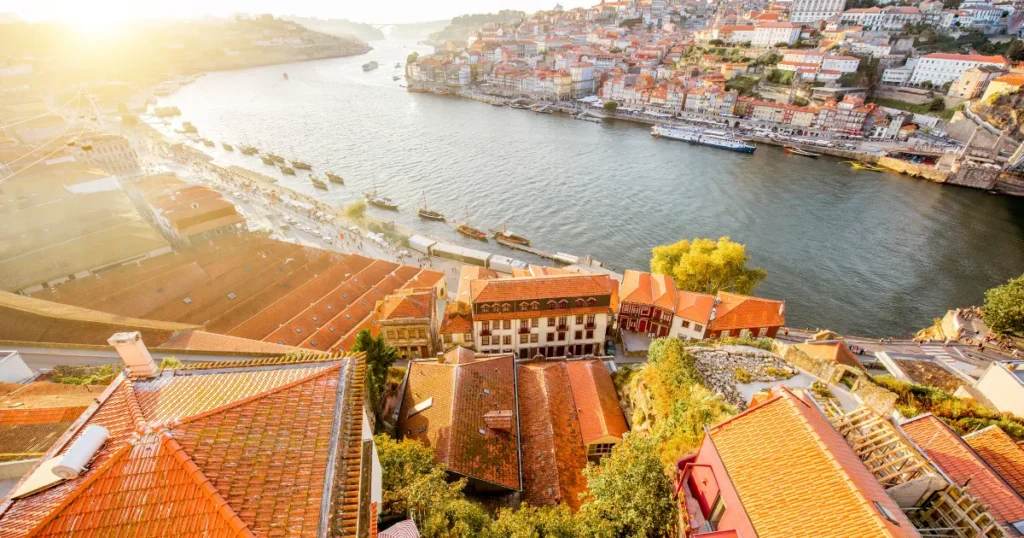
Porto has a way of sneaking up on you. You arrive expecting Lisbon’s smaller sibling — and find a city with more character per cobblestone, a food scene that puts most European capitals to shame, and a cost of living that lets a Canadian pension actually stretch. The Douro River catches the evening light in a way that makes you understand why people have been painting this view for centuries.
Porto has 58,161 foreign residents, with nearby Vila Nova de Gaia adding 27,513 and Matosinhos 15,630. Growing, but still a fraction of Lisbon’s 200,000+. That’s part of the appeal — Porto feels more Portuguese than Lisbon in 2026, with fewer English-only menus and more neighbourhoods where your effort with Portuguese actually matters. [Source: AIMA 2024.]
Porto is ideal if you: want European lifestyle at lower cost, prefer a smaller city with deep character, value walkability, love food (Matosinhos has the best grilled fish in Portugal), or want a base for exploring northern Portugal and Spain.
Porto may not suit you if you: need a large international expat community, want sunshine year-round (Porto’s winters are rainy), or need extensive English-speaking healthcare.
For the head-to-head comparison: Lisbon vs Porto
Cost of Living
All figures in CAD at ~1 CAD = 0.65 EUR. Based on early 2026 data.
| Expense | Budget (CAD/mo) | Comfortable (CAD/mo) |
|---|---|---|
| Furnished 1BR (central) | $900-1,200 | $1,300-1,800 |
| Food (groceries + dining) | $300-450 | $450-700 |
| Transport (metro + bus pass) | $50-70 | $70-100 |
| Health insurance (private) | $80-150 | $150-300 |
| Utilities (all-in + internet) | $100-160 | $140-200 |
| Phone | $15-25 | $25-40 |
| Entertainment | $100-200 | $200-350 |
| Total | $1,545-2,255 | $2,335-3,490 |
Porto vs Lisbon: 20-30% less on rent. Food and daily costs slightly lower too. For the full breakdown: Lisbon costs
Neighbourhoods
Foz do Douro — Seaside Elegance ($1,200-1,800 CAD)
Porto’s upscale coastal neighbourhood. Wide promenades, ocean views, quieter streets. This is where Porto’s wealthier residents have lived for generations — Portuguese families, retired professionals, a few fortunate expats. The seafront walk from Foz to Matosinhos is one of the great urban promenades in Europe. Excellent restaurants and cafés, a Saturday organic market, and a pace that’s closer to a seaside village than a city.
Best for: Retirees. Peaceful, beautiful, walkable seafront. The ocean air and the morning promenade walk are worth the premium.
Cedofeita / Bonfim — Creative and Local ($800-1,300 CAD)
Porto’s arts and culture heart. Independent shops, galleries, craft beer bars, vintage stores. Rua de Cedofeita is the main artery — walkable, vibrant, young. Bonfim, next door, is more residential and increasingly popular with longer-term expats who want character without the tourist premium.
These neighbourhoods haven’t been hollowed out by tourism the way Ribeira has. The shops are still Portuguese-owned. The restaurants serve locals alongside newcomers. Your barber is a portuense who’s been cutting hair on the same street for 20 years. That’s the texture that makes living here different from visiting.
Best for: Remote workers. Best neighbourhood for remote workers in Porto — cafés, coworking, social scene.
Boavista — Modern and Connected ($900-1,500 CAD)
Porto’s modern commercial district around the Rotunda da Boavista. Casa da Música (Porto’s concert hall) is the architectural landmark. Good metro access, shopping, international restaurants. More “city” than “village” — familiar for anyone coming from Toronto or Vancouver.
Best for: Canadians who want convenience and a familiar urban feel.
Matosinhos — Seafood and Sand ($700-1,100 CAD)
Technically a separate municipality, connected to Porto by metro (20 minutes). Porto’s best beach. And the food — Matosinhos is where Porto’s fishing industry lives, and the grilled fish restaurants along Rua Heróis de França are the real thing. Whole sea bass or sea bream, grilled over charcoal, served with boiled potatoes and salad, for $12-15 CAD a plate. The fishermen who supply these restaurants work the same waters their families have worked for generations.
Significantly cheaper than central Porto. A favourite of long-term expats who want the lifestyle without the price.
Best for: Budget-conscious expats, beach lovers, food lovers.
Vila Nova de Gaia — Best Value ($650-1,000 CAD)
South bank of the Douro. Technically a different city. Home to the famous port wine cellars — Vila Nova de Gaia has been storing and ageing port wine since the 18th century, and the lodges along the riverfront are still active. Stunning views of Porto’s skyline. Metro-connected. The budget choice — 20-30% cheaper than Porto proper. If stretching your euros is the priority, it’s worth comparing it against Porto’s most budget-friendly expat neighbourhoods before committing.
Best for: Budget maximizers who don’t mind being slightly removed from Porto’s centre.
Ribeira — Visit, Don’t Live ($1,000-1,600 CAD)
Porto’s UNESCO riverside district. Stunning and iconic — and exhausting for daily life. Steep cobblestone hills, tourist crowds, and a premium that doesn’t match the livability. Visit for dinner, walk the waterfront at sunset, but sign your lease elsewhere.
Renting in Porto
The NIF — Get This First
A NIF (Número de Identificação Fiscal) is Portugal’s tax ID. You need it for everything: renting, banking, internet, phone contracts. Apply at a local Finanças office (free) or through a fiscal representative before arriving ($100-200 CAD). Get this sorted before apartment hunting — landlords won’t sign a lease without it.
Finding an Apartment
- Idealista.pt: Portugal’s largest portal. Filter by “arrendamento” (rental), “mobilado” (furnished)
- Facebook groups: “Porto Rentals,” “Apartments in Porto for Expats” — active but verify everything
- Local agencies: ERA, Remax, Century 21 — agents are free for tenants (landlord pays)
- OLX.pt: Classifieds. Less polished, sometimes better deals
Lease Terms
- Standard: 12 months minimum
- Deposit: 2 months’ rent + first month = 3 months upfront
- “Mobilado” reality: Means basic furniture. Bed, wardrobe, table. Rarely includes linens, towels, or kitchen items. Ask for a detailed inventory before signing
- Utilities: Tenant’s responsibility. Budget $100-160 CAD/month. Portuguese electricity is expensive — old buildings leak heat
- Contract registration: Your landlord must register the lease with Finanças. You need this for your D7 visa application
Getting Around
Metro: 6 lines covering the city, suburbs, airport, and Matosinhos. Clean, reliable. Monthly Andante pass: ~$50-65 CAD. Buses: STCP fills the gaps. Same Andante card. Walking: Porto is compact but hilly. Comfortable shoes mandatory. Flat neighbourhoods: Foz, Boavista. Driving: Not recommended in the centre. Good for day trips to the Douro Valley, Minho, or Spain.
Healthcare
Portugal’s public system (SNS) is available to legal residents. Quality is decent for routine care; wait times can be long for specialists. Private options: CUF, Hospital da Luz, Lusíadas — English-speaking doctors available. GP visit (private): $60-120 CAD. Dental cleaning: $40-70 CAD.
Your provincial coverage lapses after 6-8 months abroad. You need private insurance or SNS access through your residence permit. Full breakdown: insurance guide. [Source: Global Affairs Canada.]
Internet & Coworking
Fiber available in most of Porto. Providers: NOS, MEO, Vodafone. 100-1,000 Mbps. Monthly: $30-50 CAD. Porto’s coworking scene is growing — CRU, Porto i/o, Selina. Day passes: $15-25 CAD. Monthly: $100-200 CAD. Many cafés welcome laptop workers — try Combi Coffee or Bop in Cedofeita.
Visa Options
- Schengen (visa-free): 90 days per 180-day period. Fine for scouting trips
- D7 Visa (Passive Income): For retirees with pensions/investments. The most common choice for Canadian retirees. Full guide
- D8 Visa (Digital Nomad): For remote workers with non-Portuguese employers. The go-to option for remote workers
- Golden Visa: Investment-based. €350,000+ minimum. Path to citizenship after 5 years
Visa rules change. Verify with VFS Global or the Portuguese consulate before applying.
Tax note: Non-residents face 25% CRA withholding on Canadian-source income including pensions. [Source: CRA T4058, 2024.]
Being a Good Guest in Porto
Porto’s identity runs deep — portuenses are proud of their city in a way that’s distinct from Lisbon’s cosmopolitan ease. The city earned its name and its character through centuries of trade, fishing, and port wine. The people who live here — the fishermen in Matosinhos, the market vendors at Bolhão, the families in Bonfim — are the reason Porto feels the way it does.
Learn Portuguese. Not just because it’s practical (though it is — less English here than Lisbon), but because the effort itself is what changes the interaction. The elderly senhora at the café, the fish seller at the market, your building’s porteiro — they open up when you try. Shop at the Bolhão market instead of the supermarket. Eat at the tasca with the handwritten menu. Order the francesinha (Porto’s signature sandwich — you’ll understand once you try it). Tip at restaurants (not expected in Portugal, but appreciated and noticed). The best version of living in Porto is the one where you stop being a foreign renter and start being a neighbour.
Download our free Budget Worksheet — compare your income against Porto’s costs.
Planning the move? The Portugal Relocation Kit ($59 CAD) covers both Porto and Lisbon — NIF process, D7/D8 visas, banking, all neighbourhoods, healthcare, and a 30-day action plan.
This guide is for informational purposes only. Visa requirements, costs, tax rules, and healthcare policies change — always confirm details with official sources and qualified professionals before making decisions. All costs in CAD unless noted.