Cost of Living in Guanacaste (Gold Coast) Costa Rica for Canadians (2026)
By Taraji Abroad · Move Abroad Rentals
Disclosure: This post contains affiliate links. If you sign up through our links, we may earn a small commission at no extra cost to you. We only recommend services we’d use ourselves.
The Dry Side Nobody Warned You About
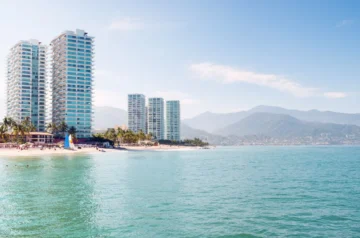
You pictured Costa Rica as jungle and rain. Then you landed in Guanacaste in January and stepped into 34 degrees, bone-dry air, and a sunset that turns the whole Pacific orange for twenty minutes straight. This is the Gold Coast — Costa Rica’s driest province, and the part of the country that pulls the most snowbirds south every winter.
Tamarindo. Nosara. Playas del Coco. Flamingo. These are not the Central Valley, where daily life revolves around hospitals and Costco runs. Guanacaste is beach-first, tourist-adjacent, and built around the rhythms of surf, heat, and seasonal migration. The Canadian community here tends to be snowbirds doing three to six months rather than year-round residents. That shapes the costs, the infrastructure, and what you can expect.
Here’s what it actually runs — in Canadian dollars, with the parts nobody puts in the brochure.
All costs converted at approximately 1 CAD = 530 CRC. Exchange rates fluctuate — check current rates before budgeting. Costs reflect 2026 conditions and should be verified locally.
Rent
Beach towns charge a premium. That’s true everywhere in the world, and Guanacaste is no exception. A one-bedroom that would cost $800 CAD in Heredia runs $1,200+ in Tamarindo. Much of the rental stock is geared toward vacation renters, which pushes furnished long-term rates higher — landlords know what they can get per night in high season.
| Area | 1BR (furnished) | 2BR (furnished) |
|---|---|---|
| Tamarindo (most developed) | $1,375–$2,050 CAD | $1,800–$2,750 CAD |
| Nosara (surf/wellness) | $1,500–$2,050 CAD | $1,925–$2,900 CAD |
| Playas del Coco | $960–$1,500 CAD | $1,375–$2,050 CAD |
| Flamingo / Potrero | $1,100–$1,650 CAD | $1,500–$2,300 CAD |
Playas del Coco is the most affordable of the bunch — it’s more of a working Tico town with a beach attached. Nosara is the most expensive, driven by the wellness and surf crowd that’s pushed prices up year over year. Tamarindo is the most walkable and has the widest selection.
Negotiation tip: if you’re committing to three months or longer, many landlords will drop the rate 10-20% below the posted monthly price. High season (December through April) is the worst time to negotiate. Lock something down in September or October if you can.
Groceries & Dining
This is where Guanacaste stings. The Central Valley has Automercado, PriceSmart, Walmart, and weekly ferias with cheap local produce. Guanacaste has smaller stores, longer supply chains, and tourist-oriented pricing. You’ll find a supermarket in every beach town, but the selection is thinner and the markup is real.
- Local supermarkets (Super Compro, Mega Super): Stock the basics, but imported items cost 20-40% more than in San Jose
- Ferias (farmers’ markets): Available in larger towns like Liberia and Santa Cruz, less frequent and smaller than Central Valley ones
- Sodas (small local restaurants): A casado still runs $5-$8 CAD — slightly more than the valley
- Mid-range restaurants: $18-$30 CAD per person — tourism pricing is baked in
- Upscale beachfront dining: $35-$60 CAD per person. Nosara and Tamarindo have excellent restaurants, priced accordingly
Monthly grocery budget: $500-$800 CAD for one person. That’s $100-$150 more than the Central Valley for equivalent eating. The savings trick is the same — cook from local produce, buy at ferias when you can get to them, and accept that your favourite Canadian brands are a luxury item here.
Healthcare
This is the most important section for anyone considering Guanacaste over the Central Valley. Healthcare infrastructure is significantly thinner on the coast.
What’s available: Private clinics in Tamarindo, Nosara, and Playas del Coco handle routine care — doctor visits, minor injuries, prescriptions. Quality is generally good for day-to-day needs.
What’s not: The nearest major public hospital (CAJA) is Hospital Enrique Baltodano Briceño in Liberia — a 45-minute to 1.5-hour drive depending on which beach town you’re in. For serious emergencies, stabilization and transfer to San Jose is the standard protocol. There is no trauma centre or major specialist care on the coast.
What this means for you: If you have ongoing health conditions that require specialist monitoring, the Central Valley is the safer choice. If you’re generally healthy and comfortable being 45+ minutes from a hospital, Guanacaste works — but carry proper insurance and have a plan for emergencies.
- Private clinic visit: $60-$120 CAD
- CAJA (public system): Same enrollment as anywhere in Costa Rica — available to legal residents, $80-$150 USD/month
- Private health insurance: $200-$500 CAD/month depending on age and coverage
- Dental cleaning: $50-$80 CAD (quality dental clinics in Tamarindo and Coco)
For the first months while you’re sorting residency and CAJA enrollment, travel medical insurance is non-negotiable. SafetyWing’s Nomad Insurance covers Canadians in Costa Rica and is designed for stays longer than a standard vacation policy allows.
Transportation
Outside of Tamarindo’s compact town centre, you need a vehicle. Full stop. Guanacaste’s beach towns are spread along the coast with stretches of unpaved road between them. Public buses connect the major towns through Liberia, but service is infrequent and slow. There is no Uber on the coast — taxis and informal drivers are the alternative.
- Used car (4×4 recommended): $10,000-$18,000 CAD. A 4×4 is not optional if you’re driving to Nosara or Mal Pais — the roads will punish a sedan in rainy season
- Gasoline: ~$1.60 CAD/litre
- Car insurance (INS, mandatory): $300-$600 CAD/year
- Taxis: $8-$20 CAD per ride between towns. Negotiate the fare before getting in — no meters in most beach areas
- Scooter/ATV rental: $250-$400 CAD/month — common in Tamarindo and Nosara for getting around town
If you’re a snowbird doing three to six months, renting a car long-term ($550-$900 CAD/month for an SUV) may make more sense than buying. Several agencies in Liberia offer monthly rates that include insurance.
Utilities & Internet
- Electricity: $80-$180 CAD/month. This is the big difference from the Central Valley — you will run AC in Guanacaste, and it shows on the bill. A ceiling fan lifestyle is possible if you acclimate, but most Canadians run AC at night minimum
- Water: $10-$30 CAD/month. Municipal water quality varies by town — many expats use a filter or buy bottled water in smaller communities
- Internet: $35-$60 CAD/month. Tamarindo and Playas del Coco have decent fibre coverage (50-200 Mbps). Nosara and smaller towns are spottier — check coverage at your specific address before signing a lease. Starlink is increasingly common as a backup
- Mobile: $15-$30 CAD/month for a local plan. Coverage is solid along the main highways and in towns, weaker in rural areas between them
If you work remotely, verify the internet situation at your exact rental before committing. “Nosara has internet” and “your specific hilltop house has reliable internet” are two different statements. Ask the landlord for a speed test screenshot.
Monthly Budget Summary
| Category | Budget | Comfortable |
|---|---|---|
| Rent (1BR furnished) | $960 | $1,650 |
| Groceries & dining | $500 | $750 |
| Healthcare (CAJA + private top-up) | $150 | $300 |
| Transportation | $250 | $450 |
| Utilities & internet | $145 | $250 |
| Personal & entertainment | $200 | $400 |
| Insurance (travel/health top-up) | $100 | $250 |
| Total | ~$2,305 CAD | ~$4,050 CAD |
Guanacaste is Costa Rica’s premium coast. You pay more for rent, more for groceries, more for electricity, and more for transport than the Central Valley. What you get is dry heat instead of eternal spring, the Pacific outside your window, and a seasonal expat community that makes the Canadian winter disappear. Whether that premium is worth it depends on what you’re optimizing for — if beach access is the whole point, the math works. If you want the lowest cost and best infrastructure, the Central Valley wins.
Money Transfers
You’ll be moving CAD to CRC on a regular basis. Costa Rican banks charge 3-5% on currency conversion, and the colón fluctuates enough to matter over a six-month stay. Wise uses the real mid-market rate and charges $1-$5 per transfer — it’s the standard recommendation for Canadian expats in Costa Rica, and it works with local bank accounts (BAC, Banco Nacional) once you’re set up. Full comparison of money transfer options.
Compare to Other Destinations
- Cost of Living in Costa Rica’s Central Valley — 20-30% cheaper, better infrastructure, spring weather
- Cost of Living in Chiang Mai — 50-60% cheaper, but 20+ hours from Canada
- Side-by-side of all four countries
Last updated April 2026. Costs are estimates based on available data and should be verified locally. Exchange rates fluctuate — all CAD amounts are approximate. This guide is informational, not financial advice.
Verified April 2026. Visa rules, government fees, and cost figures change. Please confirm anything time-sensitive with the relevant government source or a licensed professional before acting.
Congratulation!