Living in Bangkok as a Canadian (2026)
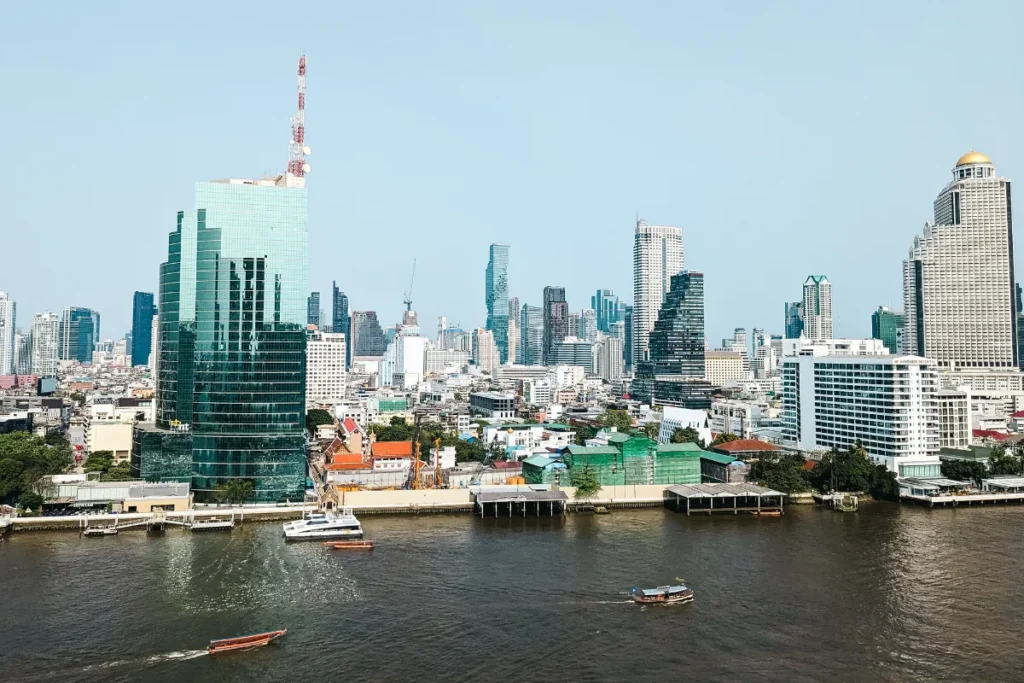
Bangkok is a city that runs on contradictions. Ancient temples beside glass skyscrapers. Street food that costs $2 CAD prepared by someone whose family has been perfecting the recipe for three generations, served 50 metres from a Michelin-starred restaurant. World-class hospitals where a specialist consultation costs less than a Toronto parking ticket. A city of 11 million people that somehow feels both overwhelming and oddly welcoming once you learn its rhythms.
For Canadians, Bangkok offers something that’s hard to find elsewhere: genuine big-city infrastructure — hospitals, internet, transit, international flights — at a fraction of what it costs in Toronto or Vancouver. The trade-off is heat, traffic, and a learning curve that’s steeper than Chiang Mai’s. If that calmer pace appeals, it’s worth reading up on Chiang Mai neighbourhoods, costs, and rentals before you decide. That tropical heat also brings its own wildlife, so it helps to know the bugs and tropical insects to expect before you settle in. But if you want urban life at a price that makes financial sense, Bangkok is hard to beat.
For the smaller, cheaper, calmer alternative: Chiang Mai vs Bangkok comparison
Cost of Living
All figures in CAD. Based on early 2026 data.
| Expense | Budget (CAD/mo) | Comfortable (CAD/mo) |
|---|---|---|
| Furnished 1BR (expat area) | $700-1,000 | $1,200-2,000 |
| Food (mix of local + Western) | $300-450 | $500-800 |
| Transport (BTS/MRT + Grab) | $60-100 | $100-200 |
| Health insurance (private) | $80-150 | $150-300 |
| Utilities (electric, water, internet) | $60-120 | $100-180 |
| Phone (prepaid SIM) | $15-25 | $20-40 |
| Entertainment | $100-200 | $200-400 |
| Total | $1,315-2,045 | $2,270-3,920 |
A comfortable single lifestyle in Bangkok costs roughly what a tight budget gets you in Toronto — but with a condo pool, $3 pad thai, and some of the best hospitals in Asia within a taxi ride.
Neighbourhoods
Sukhumvit (Asoke / Phrom Phong) — The Expat Hub ($1,000-1,800 CAD)
Where most Western expats land. Excellent BTS access, international supermarkets (Villa Market, Tops), Bumrungrad Hospital walking distance from Asoke. English widely spoken. The infrastructure is built for foreigners — which is both its strength and its limitation. You can live a fully English-language life here without ever needing Thai. But doing so means missing the city you actually live in.
Step one soi off the main Sukhumvit road and the character changes. Local noodle shops, neighbourhood markets, the auntie selling som tam from a cart — that’s where Bangkok lives — and where your presence matters most as a guest in this city.
Best for: Remote workers (coworking, cafés, nightlife) and retirees (hospitals, shopping, English-speaking services).
Silom / Sathorn — Business District Calm ($900-1,600 CAD)
Bangkok’s financial centre, but quieter than Sukhumvit. Lumpini Park is the genuine highlight — a large green space for morning walks, tai chi with the locals, and a break from the concrete. BTS and MRT connections are good. Some of Bangkok’s best restaurants are scattered through these streets.
Best for: Retirees. Lumpini Park, quieter streets, good hospitals, polished but not touristy.
Ari — Local Character, Real Bangkok ($600-1,200 CAD)
Trendy, walkable, and more authentically Thai than Sukhumvit. Ari is where young Thais and expats who want neighbourhood character over international convenience settle. Great café culture, local markets, hip restaurants — but fewer English-speaking services and international supermarkets. BTS accessible.
Ari hasn’t been reshaped by foreign demand the way Sukhumvit has. The neighbourhood still belongs to the Thai families, shop owners, and market vendors who built it. Living here means learning to navigate in Thai — or at least trying — and the reward is a version of Bangkok that most expats never find.
Best for: Remote workers. Best café-and-laptop neighbourhood in Bangkok for someone who wants to live in Thailand, not in an expat bubble. If your schedule still revolves around Canadian clients, it’s worth weighing Bangkok against the most timezone-friendly cities for Canadians.
Riverside (Charoen Krung) — Heritage and Art ($600-1,400 CAD)
Along the Chao Phraya River. Old Bangkok meeting new Bangkok — heritage shophouses, artist studios, and emerging galleries beside the massive ICONSIAM mall. Quieter, more atmospheric. Ferries and water taxis are your transport — a daily commute by boat through the heart of Bangkok is something no BTS ride can match.
Charoen Krung has been Bangkok’s commercial street since 1864. The Chinese-Thai communities that built it are still here, running the same businesses their grandparents started. Walk through the side streets and you’ll find gold shops, traditional pharmacies, and noodle restaurants that have been serving the same recipe for decades.
Best for: Retirees (peaceful, river breeze, cultural depth). Less ideal for remote workers (fewer coworking options).
On Nut — Maximum Value ($400-800 CAD)
One BTS stop past the expat core. Dramatically cheaper. Good restaurants, local markets, and the daily life that most of Bangkok’s residents actually live. Many long-term expats end up here once they learn the city and realize they don’t need to pay Sukhumvit prices. The commute to central Bangkok is 15-20 minutes by BTS.
Best for: Budget-conscious expats with BTS access needs.
Renting
- Finding: Facebook groups (“Bangkok Expats,” “Condos for Rent Bangkok”), agents (free for tenants), walk-in to condo leasing offices, DDproperty, Hipflat
- Lease: 12 months standard. 6-month available at a premium
- Deposit: 2 months’ rent + 1 month advance = 3 months upfront
- Furnished: Most condos come fully furnished — A/C, fridge, washer, basic kitchen
- Electricity markup: Watch for this. Government rate is 4-5 THB/unit. Many buildings charge 7-9 THB. Ask the per-unit rate before signing — this can add $60-120 CAD/month
- TM.30: Your landlord must report you to immigration within 24 hours of move-in. Confirm who handles this.
Getting Around
BTS + MRT: Clean, reliable, air-conditioned. $0.60-2.00 CAD per ride. Coverage expanding every year. Grab: Essential. $3-6 CAD for a 20-minute ride. Taxis: Metered, cheap ($2-5 CAD). Insist on the meter. Walking: Bangkok is not a walking city. Sidewalks are uneven, hot, and interrupted by vendors. Walk short distances; transit for the rest.
Healthcare
Bangkok has some of the best hospitals in Asia. Bumrungrad, Samitivej, and BNH are internationally accredited with English-speaking staff.
- GP visit: $30-60 CAD
- Specialist: $60-150 CAD
- Dental cleaning: $30-50 CAD
- MRI: $200-500 CAD (vs $500-1,500+ wait-listed in Canada)
Provincial coverage lapses after 6-8 months abroad. It’s also worth planning ahead for getting your prescriptions abroad, since refills and brand names differ from what you know in Canada. You need private insurance. Full guide: insurance for Canadian expats. [Source: Global Affairs Canada.]
Internet & Coworking
Thailand’s internet is excellent. Fiber 200-1,000 Mbps standard in condos. AIS, TRUE, 3BB. Monthly: $20-40 CAD. Mobile 5G unlimited: $15-30 CAD/month. Coworking: Hubba, The Hive, WeWork, JustCo. Day: $10-20 CAD. Monthly: $100-250 CAD.
Visa Options
- Visa-free: 30 days on arrival
- Tourist Visa: 60 days, extendable by 30
- Non-Immigrant O (Retirement): 50+, requires ~$32,000 CAD in Thai bank or monthly income proof
- LTR (Long-Term Resident): 10-year (5+5). Wealthy Pensioners: USD 80,000/yr or $40K + $250K invested. Remote workers: USD 80,000/yr, employer revenue $50M+. 50,000 THB one-time fee (~$1,900 CAD). [Source: Thailand BOI 2025.]
- DTV (Destination Thailand Visa): 180 days for remote workers
Tax note: Non-residents face 25% CRA withholding on Canadian-source income. [Source: CRA T4058, 2024.]
Being a Good Guest in Bangkok
Bangkok is a city of 11 million people who built everything you’re enjoying — the food, the transport, the hospitals, the culture. The affordability that draws Canadians here reflects an economic disparity, not just a favourable exchange rate. A few principles:
- Learn basic Thai. Sawadee khrap/kha, khop khun khrap/kha, aroy mak. Your street food vendor, your building security guard, your Grab driver — it’s noticed and appreciated. A local tutor: $8-12 CAD/hour.
- Respect the monarchy and religion. Thailand’s lèse-majesté laws are strict and enforced. Never disrespect the royal family — not even casually. Remove shoes at temples. Dress modestly at religious sites.
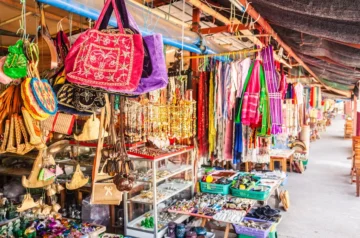
- Eat local. The best food in Bangkok is at the street stalls, the market vendors, and the shophouse restaurants with no English sign. Your $2-3 CAD meal supports a family and connects you to a food tradition that runs centuries deep.
- Tip and pay fairly. Tipping isn’t traditionally expected in Thailand, but it’s increasingly appreciated — especially from foreigners who are clearly spending less than they would at home. Round up. Leave the coins. Be generous with the people whose labour makes your lifestyle possible.
Download our free Budget Worksheet — compare your income against Bangkok’s costs.
Want the full picture? The Thailand Relocation Kit ($59 CAD) covers visas (LTR, DTV, Non-O), banking, healthcare, all neighbourhoods, and a 30-day action plan. For the Chiang Mai alternative, we have that covered too.
This guide is for informational purposes only. Visa requirements, costs, tax rules, and healthcare policies change — always confirm details with official sources and qualified professionals before making decisions. All costs in CAD unless noted.