Best Neighbourhoods in Mexico City for Canadian Expats (2026)
Mexico City has over 350 colonias. You need to know about six of them — not because the others don’t matter, but because these are where the combination of safety, walkability, amenities, and quality of life makes the most sense for a Canadian arriving for the first time. For the bigger picture, our guide to neighbourhoods, costs, and rentals in Mexico City ties it all together.
But first, something we need to say plainly: the arrival of foreign remote workers and expats has driven up rents in some of these neighbourhoods significantly, pricing out Mexican families who’ve lived there for generations. Condesa and Roma Norte are the most visible examples. This is a real issue with real consequences for real people, and if you’re going to live here, you should understand it — not just the apartment prices, but what those prices mean for the community around you.
With that context, here’s where to look, what to expect, and how to be a good neighbour while you’re here.
All rental prices in CAD for furnished one-bedroom apartments. Based on early 2026 data — verify before making decisions.
The Neighbourhood Map
| Neighbourhood | Rent (1BR, CAD) | Vibe | Retirees | Remote Workers |
|---|---|---|---|---|
| Condesa | $900-1,400 | Tree-lined, walkable, cafés | ★★★★☆ | ★★★★★ |
| Roma Norte | $800-1,300 | Creative, restaurants, nightlife | ★★★☆☆ | ★★★★★ |
| Polanco | $1,200-2,500 | Upscale, quiet, museums | ★★★★★ | ★★★☆☆ |
| Coyoacán | $500-900 | Bohemian, cultural, community | ★★★★☆ | ★★★☆☆ |
| Narvarte | $500-800 | Residential, practical, value | ★★★☆☆ | ★★★★☆ |
| San Miguel Chapultepec | $700-1,100 | Quiet, central, underrated | ★★★★☆ | ★★★★☆ |
Condesa — The Expat Default (and the Gentrification Conversation)
Rent: $900-1,400 CAD/month | Safety: ★★★★☆ | Walkability: ★★★★★
Art deco buildings, tree-lined boulevards, Parque México as the neighbourhood’s green heart — morning dog walkers, afternoon readers, evening strollers circling Avenida Amsterdam, which is built as a park you can walk around in an oval. Condesa is beautiful, walkable, and immediately comfortable for Canadians. It’s the easiest landing zone for someone who’s never lived in Mexico.
The gentrification reality: Condesa is also the neighbourhood where the tension between expat arrivals and local displacement is most visible. Rents have climbed significantly since 2020, driven in part by foreign remote workers earning USD/CAD and paying premium prices. Mexican families — the teachers, the shop owners, the people who gave the colonia its character — have been pushed out by rents they can no longer afford. Some restaurants now post menus only in English. Local businesses have been replaced by cafés targeting laptop workers.
This isn’t a reason to avoid Condesa, but it is a reason to live there with awareness. Eat at the local fondas, not just the Instagram cafés. Shop at the mercado, not the imported-goods store. Learn your neighbours’ names. Speak Spanish when you can. The neighbourhood’s character was built by the people who were here before you — and the best version of living here honours that.
Best for: First-time expats who want walkability and safety. Worth knowing: If you’re on a budget, Narvarte (15-minute walk south) has equivalent apartments for 30-40% less — and your money stays in a neighbourhood that hasn’t been inflated by foreign demand.
Roma Norte — Creative Energy, Same Questions
Rent: $800-1,300 CAD/month | Safety: ★★★★☆ | Walkability: ★★★★★
Roma Norte is the neighbourhood that put Mexico City on every “best city for remote workers” list — and that attention has been a double-edged sword. Before you commit, it helps to understand the internet speeds for remote work in Mexico City, which vary a lot by building. The food scene is legitimately extraordinary (some of the best restaurants in the Americas are here). Art galleries, mezcal bars, creative studios, coworking spaces. The energy is real, and it attracts a younger, more creative crowd than Condesa.
Like Condesa, Roma faces gentrification pressures from the remote worker influx. The difference is Roma still has more texture — it transitions quickly from polished blocks to scrappier, more local streets. That edge is part of its appeal. But the same principle applies: the neighbourhood’s character comes from the Mexican artists, families, and small business owners who shaped it. Supporting their businesses — not just the ones that cater to foreigners — is the minimum.
Best for: Remote workers under 45, foodies, social butterflies. Not ideal for: Retirees seeking quiet or light sleepers — weekends along some blocks are loud until 2 AM.
Polanco — Upscale and Quiet
Rent: $1,200-2,500 CAD/month | Safety: ★★★★★ | Walkability: ★★★★☆
If Toronto has Yorkville, Mexico City has Polanco. Luxury shopping on Presidente Masaryk. The Museo Soumaya (free, extraordinary) and the National Museum of Anthropology — one of the finest museums in the world, and reason alone to live nearby. High-end restaurants, manicured streets, private security on many blocks. Chapultepec Park — one of the largest urban parks in the Americas — borders the neighbourhood to the south.
Polanco is the safest neighbourhood on this list and has the best hospital access (Hospital Ángeles, ABC Medical Center). For a Canadian retiree whose top priorities are personal safety and healthcare proximity, this is the answer.
The trade-off: it’s expensive by CDMX standards (though $1,400 for a 1BR is still cheaper than Toronto) and can feel corporate. The “authentic neighbourhood” character is limited compared to Condesa or Roma — but that’s what some people want. Not every expat needs to live in a bohemian art district.
Best for: Retirees prioritizing safety and healthcare, higher-budget expats. Not ideal for: Budget-conscious expats or those seeking neighbourhood character.
Coyoacán — Culture That Runs Deep
Rent: $500-900 CAD/month | Safety: ★★★★☆ | Walkability: ★★★★☆
Coyoacán is a different Mexico City. South of the centre, it feels like a small Mexican town that happens to be inside a megacity. Cobblestone plazas, a famous weekend market, the Frida Kahlo Museum, the Leon Trotsky Museum, and streets with genuine neighbourhood warmth. The main plaza on Saturday afternoons is one of the most pleasant places in the city — families, musicians, food vendors, the church bell marking the hour. When you want a change of scenery, there are plenty of day trips worth taking from Mexico City, from Teotihuacán to Puebla.
This is where we’d steer a Canadian who tells us they want to actually live in Mexico, not in an expat version of Mexico. The mercado is authentic. The restaurants serve regional food to local families, not fusion plates to Instagram accounts. Spanish is the daily language. The rents are 30-40% less than Condesa/Roma, and the community hasn’t been displaced by foreign demand — yet.
The trade-off: Farther from the Condesa/Roma/Polanco axis (20-30 minutes by Uber). Metro coverage is limited in parts. Fewer coworking spaces. Some streets flood during rainy season (June-October).
Best for: Budget retirees, culture lovers, anyone who values local immersion over convenience. Not ideal for: Remote workers who need coworking or nightlife within walking distance.
Narvarte — The Value Pick
Rent: $500-800 CAD/month | Safety: ★★★★☆ | Walkability: ★★★★☆
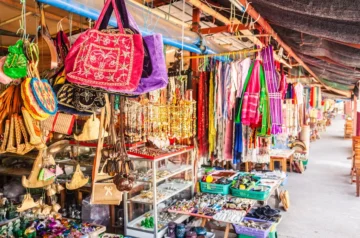
Adjacent to Roma Sur, Narvarte is where cost-conscious expats are quietly moving as Roma and Condesa prices climb. Residential, unpretentious, well-connected. This is a real Mexico City neighbourhood — the panadería on the corner, the tortillería that’s been there for 40 years, the taquería where the menu is handwritten and the salsa is made fresh every morning.
Walk to Roma Norte in 15 minutes. Metro and Metrobús connections are good. Apartments are just as good as Roma’s for 30-40% less. And your rent money stays in a neighbourhood where it doesn’t displace anyone — the locals are your neighbours, not your competitors for the same apartment.
Best for: Budget remote workers, long-term expats who want real neighbourhood life. Not ideal for: First-timers wanting the polished expat experience.
San Miguel Chapultepec — The Quiet Insider
Rent: $700-1,100 CAD/month | Safety: ★★★★☆ | Walkability: ★★★★☆
Tucked between Condesa and Chapultepec Park. Residential, quiet, and genuinely lovely. Tree-lined streets, low-rise buildings, neighbourhood shops. Walk to Condesa in 10 minutes, to Polanco in 15, to the park in 5. You get the access of both without the noise or price premium of either.
For a Canadian retiree who wants morning walks in Chapultepec Park, a quiet apartment, and walking distance to Polanco’s hospitals — this is the one we’d recommend most. It’s not well-known, which keeps prices reasonable and the neighbourhood character intact.
Best for: Retirees wanting quiet + access, couples, anyone who values peace. Not ideal for: Social-scene seekers.
Our Picks
For Retirees
First choice: San Miguel Chapultepec. Quiet, safe, park access, walking distance to Polanco’s hospitals — everything a retiree needs without the Polanco price tag. A furnished 1BR at $800-1,000 CAD is a genuine steal for what you’re getting.
Budget alternative: Coyoacán. More character, more culture, less money. You’ll need Uber for some trips, but you’ll eat better, spend less, and experience a Mexico City that most expats never find.
For Remote Workers
First choice: Roma Norte. Best food, best coworking, best social scene. The creative energy is real.
Budget alternative: Narvarte. Everything Roma offers is a 15-minute walk away. Your rent savings of $300-500/month buy a lot of tacos al pastor.
Being a Good Neighbour
Wherever you land, remember: you’re a guest in a city of 22 million people who were here before you arrived and will be here after you leave. A few things that go a long way:
- Learn Spanish. Even basic conversational Spanish transforms every interaction. Your landlord, your shopkeeper, the woman at the mercado — they all appreciate the effort. Duolingo is free. A local tutor is $10-15 CAD/hour.
- Eat and shop locally. The fonda on your corner, the mercado in your colonia, the tortillería, the panadería — these businesses are the backbone of the neighbourhood. They exist because of the community that built them, and they need your support more than the artisanal coffee shop that opened last year for the laptop crowd.
- Be aware of your economic impact. If you’re paying $1,400/month for an apartment that rented for $700 two years ago, you’re part of the dynamic that displaced the previous tenant. That’s not a guilt trip — it’s a reality. Choosing less-saturated neighbourhoods (Narvarte, Coyoacán, San Miguel Chapultepec) is one way to distribute the impact more equitably.
- Engage beyond the expat bubble. Join a local gym, not an expat one. Attend your colonia’s community events. Volunteer with a Mexican-led organization. The richer your engagement with the city, the richer your experience of living in it.
For the full cost breakdown, see our Cost of Living in Mexico City guide. Comparing Mexico City to Toronto? We did that side by side.
Download our free Budget Worksheet for Retirees — plug in your income and see what Mexico City actually costs.
Planning your move? The Mexico Relocation Kit ($59 CAD) covers the Temporary Resident Visa, banking, healthcare, all six neighbourhoods in depth, and a 30-day action plan.
This guide is for informational purposes only. Visa requirements, costs, tax rules, and healthcare policies change — always confirm details with official sources and qualified professionals before making decisions. All costs in CAD unless noted.